
Japan


Related

Flag_of_Japan
Kimigayo
Tokyo
Aynu_itak
Kanji
Hiragana
Katakana
Ethnic_group
Koreans
Demonym
Government
Akihito
Legislature
Diet_of_Japan
Upper_House

Webs | Wiki | Videos | Images | Posts | Auctions | Books | News | MindMap about Japan


This article is about the country. For other uses, see Japan (disambiguation). Japan 日本国 Nippon-koku or Nihon-koku Flag Imperial Seal Anthem: Kimigayo (君が代?) Government Seal: Paulownia (五七桐, Go-Shichi no Kiri?) Capital (and largest city) Tokyo (de facto) 35°41′N 139°46′E / 35.683°N 139.767°E / 35.683; 139.767 Official language(s) None1 Recognised regional languages Aynu itak, Eastern Japanese, Western Japanese, Ryukyuan, and several other Japanese dialects National language National Scripts Japanese Kanji Hiragana Katakana Ethnic groups  98.5% Japanese, 0.5% Korean, 0.4% Chinese, 0.6% other2 Demonym Japanese Government Parliamentary democracy with constitutional monarchy  -  Emperor Akihito  -  Prime Minister Yukio Hatoyama (DPJ) Legislature National Diet  -  Upper House House of Councillors  -  Lower House House of Representatives Formation  -  National Foundation Day February 11, 660 BC3   -  Meiji Constitution November 29, 1890   -  Current constitution May 3, 1947   -  Treaty of San Francisco April 28, 1952  Area  -  Total 377,944 km2 4(61st) 145,925 sq mi   -  Water (%) 0.8 Population  -  2010 estimate 127,430,0005 (10th)  -  2004 census 127,333,002   -  Density 337.2/km2 (36th) 873.3/sq mi GDP (PPP) 2008 estimate  -  Total $4.356 trillion6 (3rd)  -  Per capita $34,1156 (24th) GDP (nominal) 2008 estimate  -  Total $4.910 trillion6 (2nd)  -  Per capita $38,4576 (23rd) Gini  38.1 (2002)7  HDI (2007) ▲ 0.9608 (very high) (10th) Currency International Symbol ¥ Pronounced (Yen) Japanese Symbol 円 Pronounced (En) (JPY) Time zone JST (UTC+9)  -  Summer (DST) not observed (UTC) Date formats yyyy-mm-dd yyyy年m月d日 Era yy年m月d日 (CE−1988) Drives on the left Internet TLD .jp Calling code 81

Japan (日本, Nihon or Nippon?, officially 日本国 Nippon-koku or Nihon-koku) is an island country in East Asia. Located in the Pacific Ocean, it lies to the east of the Sea of Japan, China, North Korea, South Korea and Russia, stretching from the Sea of Okhotsk in the north to the East China Sea and Taiwan in the south. The characters which make up Japan's name mean "sun-origin", which is why Japan is sometimes called as the "Land of the Rising Sun".

Japan is an archipelago of 6,852 islands.9 The four largest islands are Honshū, Hokkaidō, Kyūshū and Shikoku, together accounting for 97% of Japan's land area. Most of the islands are mountainous, many volcanic; for example, Japan’s highest peak, Mount Fuji, is a volcano. Japan has the world's tenth-largest population, with about 128 million people. The Greater Tokyo Area, which includes the de facto capital city of Tokyo and several surrounding prefectures, is the largest metropolitan area in the world, with over 30 million residents.

Archaeological research indicates that people were living on the islands of Japan as early as the Upper Paleolithic period. The first written mention of Japan begins with brief appearances in Chinese history texts from the first century A.D. Influence from the outside world followed by long periods of isolation has characterized Japan's history. Since adopting its constitution in 1947, Japan has maintained a unitary constitutional monarchy with an emperor and an elected parliament, the Diet.

A major power,10 Japan has the world's second-largest economy by nominal GDP and the third largest in purchasing power parity. It is also the world's fourth largest exporter and fifth largest importer. It is also the only Asian country in the G8 and is currently serving as a non-permanent member of the UN Security Council. Although Japan has officially renounced its right to declare war, it maintains a modern and extensive military force which is employed in self-defense and peacekeeping roles. It is a developed country with very high living standards (10th highest HDI). Japan has the highest life expectancy of any country in the world (according to both the UN and WHO estimates) and the third lowest infant mortality rate.1112

Contents 1 Etymology 2 History 2.1 20th century 3 Government and politics 4 Foreign relations and military 5 Administrative divisions 6 Geography 7 Environment 8 Economy 9 Infrastructure 10 Science and technology 11 Demographics 11.1 Religion in Japan 11.2 Languages in Japan 12 Education and health 13 Culture and recreation 14 Sports 15 See also 16 References 17 Further reading 18 External links // Etymology Main article: Names of Japan Further information: Wiktionary etymology for the word "Japan"

The English word Japan is an exonym. The Japanese names for Japan are Nippon (にっぽん?) ( listen (help·info)) and Nihon (にほん?) ( listen (help·info)). They are both written in Japanese using the kanji 日本. The Japanese name Nippon is used for most official purposes, including on Japanese money, postage stamps, and for many international sporting events. Nihon is a more casual term and the most frequently used in contemporary speech. Japanese people refer to themselves as Nihonjin (日本人?) and they call their language Nihongo (日本語?).

Both Nippon and Nihon literally mean "the sun's origin" and are often translated as the Land of the Rising Sun. This nomenclature comes from Imperial correspondence with the Chinese Sui Dynasty and refers to Japan's eastward position relative to China. Before Nihon came into official use, Japan was known as Wa (倭?) or Wagoku (倭国?).13

The English word for Japan came to the West from early trade routes. The early Mandarin or possibly Wu Chinese (呉語) word for Japan was recorded by Marco Polo as Cipangu. In modern Shanghainese, a Wu dialect, the pronunciation of characters 日本 'Japan' is Zeppen [zəʔpən]; in Wu, the character 日 has two pronunciations, informal (白讀?) [niʔ] and formal (文讀?) [zəʔ]. (In some southern Wu dialects, 日本 is pronounced [niʔpən], similar to its pronunciation in Japanese.) The old Malay word for Japan, Jepang (now spelled Jepun in Malaysia, though still spelled Jepang in Indonesia), was borrowed from a Chinese language, and this Malay word was encountered by Portuguese traders in Malacca in the 16th century. It is thought the Portuguese traders were the first to bring the word to Europe. It was first recorded in English in a 1565 letter spelled Giapan.14

History Main article: History of Japan

The first signs of occupation on the Japanese Archipelago appeared with a Paleolithic culture around 30,000 BC, followed from around 14,000 BC by the Jōmon period, a Mesolithic to Neolithic semi-sedentary hunter-gatherer (possibly Ainu)15 culture of pit dwelling and a rudimentary form of agriculture. Decorated clay vessels from this period, often with plaited patterns, are some of the oldest surviving examples of pottery in the world.

The Yayoi period, starting around 500 BC, saw the introduction of many new practices, such as wet-rice farming,16 a new style of pottery17 and Metallurgy 1819 brought by migrants from China and Korea.

The Japanese first appear in written history in China’s Book of Han. According to the Chinese Records of Three Kingdoms, the most powerful kingdom on the archipelago during the third century was called Yamataikoku.

Buddhism was first introduced to Japan from Baekje, one of the Three Kingdoms of Korea, but the subsequent development of Japanese Buddhism and Buddhist sculptures were primarily influenced by China.20 Despite early resistance, Buddhism was promoted by the ruling class and eventually gained growing acceptance since the Asuka period.21

The Mongol invasions in 1274 and 1281 were successfully repelled

The Nara period of the eighth century marked the first emergence of a strong central Japanese state, centered on an imperial court in the city of Heijō-kyō, or modern-day Nara. In addition to the continuing adoption of Chinese administrative practices, the Nara period is characterized by the appearance of a nascent written literature with the completion of the massive chronicles Kojiki (712) and Nihon Shoki (720).22 (Nara was not the first capital city in Japan, though. Before Nara, Fujiwara-kyō and Asuka served as capitals of the Yamato state.)

In 784, Emperor Kammu moved the capital from Nara to Nagaoka-kyō for a brief ten-year period, before relocating it to Heian-kyō (modern-day Kyoto) in 794, where it remained for more than a millennium.23 This marked the beginning of the Heian period, during which time a distinctly indigenous Japanese culture emerged, noted for its art, poetry and literature. Lady Murasaki's The Tale of Genji and the lyrics of modern Japan's national anthem, Kimi ga Yo were written during this time.24

An old Japanese painting depicting a battle during the Sengoku period (1467–1615)

Japan's feudal era was characterized by the emergence of a ruling class of warriors, the samurai. In 1185, following the defeat of the rival Taira clan, Minamoto no Yoritomo was appointed Shogun and established a base of power in Kamakura. After Yoritomo's death, the Hōjō clan came to rule as regents for the shoguns. Zen Buddhism was introduced from China in the Kamakura period (1185–1333) and became popular among the samurai class.

The Kamakura shogunate managed to repel Mongol invasions in 1274 and 1281, aided by a storm that the Japanese interpreted as a kamikaze, or Divine Wind. The Kamakura shogunate was eventually overthrown by Emperor Go-Daigo, who was soon himself defeated by Ashikaga Takauji in 1336.25 The succeeding Ashikaga shogunate failed to control the feudal warlords (daimyō), and a civil war erupted (the Ōnin War) in 1467 which opened a century-long Sengoku (“Warring States”) period.26

During the sixteenth century, traders and Jesuit missionaries from Portugal reached Japan for the first time, initiating active commercial and cultural exchange between Japan and the West (Nanban trade).

One of Japan's Red seal ships (1634), which were used for trade throughout Asia. Samurai of the Satsuma clan during the Boshin War, circa 1867.

Oda Nobunaga conquered numerous other daimyo by using European technology and firearms and had almost unified the nation when he was assassinated in 1582. Toyotomi Hideyoshi succeeded Nobunaga and united the nation in 1590. Hideyoshi invaded Korea twice, but following several defeats by Korean and Ming China forces and Hideyoshi's death, Japanese troops were withdrawn in 1598.27

After Hideyoshi's death, Tokugawa Ieyasu utilized his position as regent for Hideyoshi's son Toyotomi Hideyori to gain political and military support. When open war broke out, he defeated rival clans in the Battle of Sekigahara in 1600. Ieyasu was appointed shōgun in 1603 and established the Tokugawa shogunate at Edo (modern Tokyo).28 The Tokugawa shogunate enacted a variety of measures such as Buke shohatto to control the autonomous daimyo.

In 1639, the shogunate began the isolationist sakoku ("closed country") policy that spanned the two and a half centuries of tenuous political unity known as the Edo period. The study of Western sciences, known as rangaku, continued during this period through contacts with the Dutch enclave at Dejima in Nagasaki. The Edo period also gave rise to kokugaku, or literally "national studies", the study of Japan by the Japanese themselves.29 According to one authority, there were at least 130 famines during the Edo period, of which 21 were particularly serious.30

On March 31, 1854, Commodore Matthew Perry and the "Black Ships" of the United States Navy forced the opening of Japan to the outside world with the Convention of Kanagawa. Subsequent similar treaties with the Western countries in the Bakumatsu period brought Japan into economic and political crises. The abundance of the prerogative and the resignation of the shogunate led to the Boshin War and the establishment of a centralized state unified under the name of the Emperor (Meiji Restoration).

Adopting Western political, judicial and military institutions, the Cabinet organized the Privy Council, introduced the Meiji Constitution, and assembled the Imperial Diet. The Meiji Restoration transformed the Empire of Japan into an industrialized world power that embarked on a number of military conflicts to expand the nation's sphere of influence. After victories in the First Sino-Japanese War (1894–1895) and the Russo-Japanese War (1904–1905), Japan gained control of Taiwan, Korea, and the southern half of Sakhalin.31

20th century

The early twentieth century saw a brief period of "Taishō democracy" overshadowed by the rise of expansionism and militarization. World War I enabled Japan, which joined the side of the victorious Allies, to expand its influence and territorial holdings. Japan continued its expansionist policy by occupying Manchuria in 1931. As a result of international condemnation for this occupation, Japan resigned from the League of Nations two years later. In 1935, local assemblies were established in Taiwan.32 In 1936, Japan signed the Anti-Comintern Pact with Nazi Germany, joining the Axis powers in 1941.33 In 1941, Japan signed the Soviet–Japanese Neutrality Pact with Soviet Union, respecting both Manchukou and Mongolian People's Republic territories.

In 1937, the Empire of Japan invaded other parts of China, precipitating the Second Sino-Japanese War (1937–1945). In 1940, the Empire then invaded French Indochina, after which the United States placed an oil embargo on Japan.34 On December 7, 1941, Japan attacked the United States naval base in Pearl Harbor and declared war on the United States, the United Kingdom and Netherlands. This act brought the United States into World War II and, on December 8, these three countries declared war on Japan.3536 After the atomic bombings of Hiroshima and Nagasaki in 1945, along with the Soviet Union joining the war against it, Japan agreed to an unconditional surrender of all Japanese forces on August 15 (Victory over Japan Day).37

Skyscrapers in Shinjuku, Tokyo

The war cost Japan and countries part of the Greater East Asia Co-Prosperity Sphere millions of lives and left much of the country's industry and infrastructure destroyed. The Allied powers repatriated millions of ethnic Japanese from colonies throughout Asia.38 The International Military Tribunal for the Far East, was convened by the Allies (on May 3, 1946) to prosecute some Japanese leaders for war crimes. However, all members of the bacteriological research units and members of the imperial family involved in the conduct of the war were exonerated from criminal prosecutions by the Supreme Commander of the Allied Forces.

In 1947, Japan adopted a new pacifist constitution emphasizing liberal democratic practices. The Allied occupation ended by the Treaty of San Francisco in 195239 and Japan was granted membership in the United Nations in 1956. Japan later achieved spectacular growth to become the second largest economy in the world, with an annual growth rate averaging 10% for four decades. This ended in the mid-1990s when Japan suffered a major recession. Positive growth in the early twenty-first century has signaled a gradual recovery.40

Government and politics Main articles: Government of Japan and Politics of Japan Emperor Akihito and Empress Michiko

Japan is a constitutional monarchy where the power of the Emperor is very limited. As a ceremonial figurehead, he is defined by the constitution as "the symbol of the state and of the unity of the people". Power is held chiefly by the Prime Minister of Japan and other elected members of the Diet, while sovereignty is vested in the Japanese people.41 The Emperor effectively acts as the head of state on diplomatic occasions. Akihito is the current Emperor of Japan. Naruhito, Crown Prince of Japan, stands as next in line to the throne.

Japan's legislative organ is the National Diet, a bicameral parliament. The Diet consists of a House of Representatives, containing 480 seats, elected by popular vote every four years or when dissolved and a House of Councillors of 242 seats, whose popularly elected members serve six-year terms. There is universal suffrage for adults over 20 years of age,10 with a secret ballot for all elective offices.41 In 2009, the social liberal Democratic Party of Japan took power after 54 years of the liberal conservative Liberal Democratic Party's rule.

The Prime Minister of Japan is the head of government. The position is appointed by the Emperor of Japan after being designated by the Diet from among its members and must enjoy the confidence of the House of Representatives to remain in office. The Prime Minister is the head of the Cabinet (the literal translation of his Japanese title is "Prime Minister of the Cabinet") and appoints and dismisses the Ministers of State, a majority of whom must be Diet members. Yukio Hatoyama currently serves as the Prime Minister of Japan.42

Historically influenced by Chinese law, the Japanese legal system developed independently during the Edo period through texts such as Kujikata Osadamegaki. However, since the late nineteenth century, the judicial system has been largely based on the civil law of Europe, notably France and Germany. For example, in 1896, the Japanese government established a civil code based on the German model. With post-World War II modifications, the code remains in effect in present-day Japan.43 Statutory law originates in Japan's legislature, the National Diet of Japan, with the rubber stamp approval of the Emperor. The current constitution requires that the Emperor promulgates legislation passed by the Diet, without specifically giving him the power to oppose the passing of the legislation.41 Japan's court system is divided into four basic tiers: the Supreme Court and three levels of lower courts.44 The main body of Japanese statutory law is a collection called the Six Codes.43

Foreign relations and military Main articles: Foreign relations of Japan, Japan Self-Defense Forces, and Ministry of Defense (Japan) The JDS Hyuga, one of two Japanese Maritime Self-Defense Force helicopter carriers. Japanese Air Self-Defense Force F-15s.

Japan maintains close economic and military relations with its key ally the United States, with the U.S.-Japan security alliance serving as the cornerstone of its foreign policy.45 A member state of the United Nations since 1956, Japan has served as a non-permanent Security Council member for a total of 19 years, most recently for 2009 and 2010. It is also one of the G4 nations seeking permanent membership in the Security Council.46

As a member of the G8, the APEC, the "ASEAN Plus Three" and a participant in the East Asia Summit, Japan actively participates in international affairs and enhances diplomatic ties with its important partners around the world. Japan signed a security pact with Australia in March 200747 and with India in October 2008.48 It is also the world's third largest donor of official development assistance after the United States and United Kingdom, donating US$8.86 billion in 2004.49 Japan contributed non-combatant troops to the Iraq War but subsequently withdrew its forces from Iraq.50 The Japanese Maritime Self Defense Force is a regular participant in RIMPAC maritime exercises.

Japan is engaged in several territorial disputes with its neighbors: with Russia over the South Kuril Islands, with South Korea over the Liancourt Rocks, with the People's Republic of China and Republic of China (Taiwan) over the Senkaku Islands, and with the PRC over the EEZ around Okinotorishima.

Japan also faces an ongoing dispute with North Korea over its abduction of Japanese citizens and its nuclear weapons and missile program (see also Six-party talks). As a result of the Kuril Islands dispute, Japan is technically still at war with Russia since no treaty resolving the issue was ever signed.51

Japan's military is restricted by the Article 9 of the Japanese Constitution, which renounces Japan's right to declare war or use military force as a means of settling international disputes. Japan's military is governed by the Ministry of Defense, and primarily consists of the Japan Ground Self-Defense Force (JGSDF), the Japan Maritime Self-Defense Force (JMSDF) and the Japan Air Self-Defense Force (JASDF). The forces have been recently used in peacekeeping operations and the deployment of Japanese troops to Iraq marked the first overseas use of its military since World War II.50

Administrative divisions Map of the prefectures of Japan in ISO 3166-2:JP order and the regions of Japan Main articles: Prefectures of Japan, Cities of Japan, Towns of Japan, Villages of Japan, and List of Japanese cities by population

Japan consists of forty-seven prefectures, each overseen by an elected governor, legislature and administrative bureaucracy. Each prefecture is further divided into cities, towns and villages.

Hokkaidō

1. Hokkaidō

Tōhoku

2. Aomori 3. Iwate 4. Miyagi 5. Akita 6. Yamagata 7. Fukushima

Kantō

8. Ibaraki 9. Tochigi 10. Gunma 11. Saitama 12. Chiba 13. Tokyo 14. Kanagawa

Chūbu

15. Niigata 16. Toyama 17. Ishikawa 18. Fukui 19. Yamanashi 20. Nagano 21. Gifu 22. Shizuoka 23. Aichi

Kansai

24. Mie 25. Shiga 26. Kyoto 27. Osaka 28. Hyōgo 29. Nara 30. Wakayama

Chūgoku

31. Tottori 32. Shimane 33. Okayama 34. Hiroshima 35. Yamaguchi

Shikoku

36. Tokushima 37. Kagawa 38. Ehime 39. Kōchi

Kyūshū and Okinawa

40. Fukuoka 41. Saga 42. Nagasaki 43. Kumamoto 44. Ōita 45. Miyazaki 46. Kagoshima 47. Okinawa

The nation is currently undergoing administrative reorganization by merging many of the cities, towns and villages with each other. This process will reduce the number of sub-prefecture administrative regions and is expected to cut administrative costs.52

Japan has dozens of major cities, which play an important role in Japan's culture, heritage and economy.

Geography Main article: Geography of Japan Mount Fuji with cherry blossom trees and a shinkansen in the foreground—all three are iconic of Japan

Japan is a country of over three thousand islands extending along the Pacific coast of Asia. The main islands, running from north to south, are Hokkaidō, Honshū (the main island), Shikoku and Kyūshū. The Ryukyu Islands, including Okinawa, are a chain of islands south of Kyushū. Together they are often known as the Japanese Archipelago.

About 70% to 80% of the country is forested, mountainous,5354 and unsuitable for agricultural, industrial, or residential use. This is because of the generally steep elevations, climate and risk of landslides caused by earthquakes, soft ground and heavy rain. This has resulted in an extremely high population density in the habitable zones that are mainly located in coastal areas. Japan is one of the most densely populated countries in the world.55

Its location on the Pacific Ring of Fire, at the juncture of three tectonic plates, gives Japan frequent low-intensity tremors and occasional volcanic activity. Destructive earthquakes, often resulting in tsunamis, occur several times each century.56 The 1923 Tokyo earthquake killed over 140,000.57 The most recent major quakes are the 2004 Chūetsu earthquake and the Great Hanshin Earthquake of 1995. Hot springs are numerous and have been developed as resorts.58

Shiranesanzan (from left to right: Mount Nōtori, Mount Aino, Mount Kita), view from Mount Kenashi in Shizuoka Prefecture.

The climate of Japan is predominantly temperate, but varies greatly from north to south.59 Japan's geographical features divide it into six principal climatic zones:

Hokkaidō: The northernmost zone has a temperate climate with long, cold winters and cool summers. Precipitation is not heavy, but the islands usually develop deep snow banks in the winter. Sea of Japan: On Honshū's west coast, the northwest wind in the wintertime brings heavy snowfall. In the summer, the region is cooler than the Pacific area, though it sometimes experiences extremely hot temperatures, because of the foehn wind phenomenon. Central Highland: A typical inland climate, with large temperature differences between summer and winter, and between day and night. Precipitation is light. Seto Inland Sea: The mountains of the Chūgoku and Shikoku regions shelter the region from the seasonal winds, bringing mild weather throughout the year. Pacific Ocean: The east coast experiences cold winters with little snowfall and hot, humid summers because of the southeast seasonal wind. Ryukyu Islands: The Ryukyu Islands have a subtropical climate, with warm winters and hot summers. Precipitation is very heavy, especially during the rainy season. Typhoons are common.

The highest temperature ever measured in Japan—40.9 °C (105.6 °F)—was recorded on August 16, 2007.60

The main rainy season begins in early May in Okinawa, and the stationary rain front responsible for this gradually works its way north until it dissipates in northern Japan before reaching Hokkaidō in late July. In most of Honshū, the rainy season begins before the middle of June and lasts about six weeks. In late summer and early autumn, typhoons often bring heavy rain.59

Japan is home to nine forest ecoregions which reflect the climate and geography of the islands. They range from subtropical moist broadleaf forests in the Ryūkyū and Bonin islands, to temperate broadleaf and mixed forests in the mild climate regions of the main islands, to temperate coniferous forests in the cold, winter portions of the northern islands.61

Environment Main article: Environmental issues in Japan Ikata Nuclear Power Plant.

Japan's environmental history and current policies reflect a balance between economic development and environmental protection. In the rapid economic growth after World War II, environmental policies were downplayed by the government and industrial corporations. As an inevitable consequence, some crucial environmental pollution (see Pollution in Japan) occurred in the 1950s and 1960s. In the rising concern over the problem, the government introduced many environmental protection laws62 in 1970 and established the Ministry of the Environment in 1971.

The Oil crisis in 1973 also encouraged the efficient use of energy due to Japan's lack of natural resources.63 Current priority environmental issues include urban air pollution (NOx, suspended particulate matter, toxics), waste management, water eutrophication, nature conservation, climate change, chemical management and international co-operation for environmental conservation.64

Today Japan is one of the world's leaders in the development of new environment-friendly technologies. Honda and Toyota hybrid electric vehicles were named to have the highest fuel economy and lowest emissions.65 This is due to the advanced technology in hybrid systems, biofuels, use of lighter weight material and better engineering.

Japan also takes issues surrounding climate change and global warming seriously. As a signatory of the Kyoto Protocol, and host of the 1997 conference which created it, Japan is under treaty obligations to reduce its carbon dioxide emissions and to take other steps related to curbing climate change. The Cool Biz campaign introduced under former Prime Minister Junichiro Koizumi was targeted at reducing energy use through the reduction of air conditioning use in government offices. Japan is preparing to force industry to make big cuts in greenhouse gases, taking the lead in a country struggling to meet its Kyoto Protocol obligations.66

Japan is ranked 30th best in the world in the Environmental Sustainability Index.67

Economy Main article: Economy of Japan The Tokyo Stock Exchange is the world's second largest stock exchange.

From 1868, the Meiji period launched economic expansion. Meiji rulers embraced the concept of a free market economy and adopted British and North American forms of free enterprise capitalism. Japanese went to study overseas and Western scholars were hired to teach in Japan. Many of today's enterprises were founded at the time. Japan emerged as the most developed nation in Asia.

From the 1960s to the 1980s, overall real economic growth has been called a "Japanese miracle": a 10% average in the 1960s, a 5% average in the 1970s and a 4% average in the 1980s.68 Growth slowed markedly in the 1990s during what the Japanese call the Lost Decade, largely because of the after-effects of Japanese asset price bubble and domestic policies intended to wring speculative excesses from the stock and real estate markets. Government efforts to revive economic growth met with little success and were further hampered by the global slowdown in 2000.69 The economy showed strong signs of recovery after 2005. GDP growth for that year was 2.8%, with an annualized fourth quarter expansion of 5.5%, surpassing the growth rates of the US and European Union during the same period.70

As of 2009, Japan is the second largest economy in the world,71 after the United States, at around US$5 trillion in terms of nominal GDP71 and third after the United States and China in terms of purchasing power parity.72 Banking, insurance, real estate, retailing, transportation, telecommunications and construction are all major industries.73 Japan has a large industrial capacity and is home to some of the largest, leading and most technologically advanced producers of motor vehicles, electronic equipment, machine tools, steel and nonferrous metals, ships, chemicals, textiles and processed foods.69 The service sector accounts for three quarters of the gross domestic product.

Osaka Castle and Osaka Business Park district of Osaka. The majority of Japan's economy is service sector based.

As of 2001, Japan's shrinking labor force consisted of some 67 million workers.74 Japan has a low unemployment rate, around 4%. Japan's GDP per hour worked is the world's 19th highest as of 2007.75 The Big Mac Index shows that Japanese workers get the highest salary per hour in the world. Some of the largest enterprises in Japan include Toyota, Nintendo, NTT DoCoMo, Canon, Honda, Takeda Pharmaceutical, Sony, Nippon Steel, Tepco, Mitsubishi and 711.76 It is home to some of the world's largest banks, and the Tokyo Stock Exchange (known for its Nikkei 225 and Topix indices) stands as the second largest in the world by market capitalization.77 Japan is home to 326 companies from the Forbes Global 2000 or 16.3% (as of 2006).

Japan ranks 12th of 178 countries in the Ease of Doing Business Index 2008 and it has one of the smallest governments in the developed world. Japanese variant of capitalism has many distinct features. Keiretsu enterprises are influential. Lifetime employment and seniority-based career advancement are relatively common in Japanese work environment.7879 Japanese companies are known for management methods such as "The Toyota Way". Shareholder activism is rare.80 Recently, Japan has moved away from some of these norms.8182 In the Index of Economic Freedom, Japan is the 5th most laissez-faire of 30 Asian countries.83

Toyota Prius, a hybrid electric vehicle. Automobiles and electronics constitute a large proportion of Japanese exports.

Japan's exports amounted to 4,210 U.S. dollars per capita in 2005. Japan's main export markets are the United States 22.8%, the European Union 14.5%, China 14.3%, South Korea 7.8%, Taiwan 6.8% and Hong Kong 5.6% (for 2006). Japan's main exports are transportation equipment, motor vehicles, electronics, electrical machinery and chemicals.69 Japan's main import markets are China 20.5%, U.S. 12.0%, the European Union 10.3%, Saudi Arabia 6.4%, UAE 5.5%, Australia 4.8%, South Korea 4.7% and Indonesia 4.2% (for 2006). Japan's main imports are machinery and equipment, fossil fuels, foodstuffs (in particular beef), chemicals, textiles and raw materials for its industries.84 By market share measures, domestic markets are the least open of any OECD country.79 Junichiro Koizumi administration commenced some pro-competition reforms and foreign investment in Japan has soared recently.85

Japan's business culture has many indigenous concepts such as the nemawashi, the nenko system, the salaryman, and the office lady. Japan's housing market is characterized by limited land supply in urban areas. This is particularly true for Tokyo, the world's largest urban agglomeration GDP. More than half of Japanese live in suburbs or more rural areas, where detached houses are the dominant housing type. Agricultural businesses in Japan often utilize a system of terrace farming and crop yields are high. 13% of Japan's land is cultivated. Japan accounts for nearly 15% of the global fish catch, second only to China.69 Japan's agricultural sector is protected at high cost.86

Infrastructure Main articles: Energy in Japan and Transportation in Japan

As of 2005, one half of energy in Japan is produced from petroleum, a fifth from coal, and 14% from natural gas.87 Nuclear power produces a quarter of Japan's electricity.88

High speed Shinkansen or Bullet trains are a common form of transportation in Japan.

Japan's road spending has been large.89 The 1.2 million kilometers of paved road are the main means of transportation.90 Japan has left-hand traffic. A single network of high-speed, divided, limited-access toll roads connects major cities and are operated by toll-collecting enterprises. New and used cars are inexpensive. Car ownership fees and fuel levies are used to promote energy-efficiency. However, at just 50% of all distance travelled, car usage is the lowest of all G8 countries.91

Dozens of Japanese railway companies compete in regional and local passenger transportation markets; for instance, 7 JR enterprises, Kintetsu Corporation, Seibu Railway and Keio Corporation. Often, strategies of these enterprises contain real estate or department stores next to stations. Some 250 high-speed Shinkansen trains connect major cities. Japanese trains are known for their punctuality.92

There are 173 airports and flying is a popular way to travel between cities. The largest domestic airport, Haneda Airport, is Asia's busiest airport. The largest international gateways are Narita International Airport (Tokyo area), Kansai International Airport (Osaka/Kobe/Kyoto area) and Chūbu Centrair International Airport (Nagoya area). The largest ports include Nagoya Port.

Science and technology Main article: Science and technology in Japan Press release photo of the most recent Honda ASIMO model. JAXA Japanese Experiment Module, a part of the International Space Station.

Japan is one of the leading nations in the fields of scientific research, particularly technology, machinery and biomedical research. Nearly 700,000 researchers share a US$130 billion research and development budget, the third largest in the world.93 Japan is a world leader in fundamental scientific research, having produced thirteen Nobel laureates in either physics, chemistry or medicine,94 three Fields medalists95 and one Gauss Prize laureate.96

Some of Japan's more prominent technological contributions are found in the fields of electronics, automobiles, machinery, earthquake engineering, industrial robotics, optics, chemicals, semiconductors and metals. Japan leads the world in robotics production and use, possessing more than half (402,200 of 742,500) of the world's industrial robots used for manufacturing.97 It also produced QRIO, ASIMO and AIBO. Japan is the world's largest producer of automobiles98 and home to four of the world's fifteen largest automobile manufacturers and seven of the world's twenty largest semiconductor sales leaders as of today.

The Japan Aerospace Exploration Agency (JAXA) is Japan's space agency that conducts space and planetary research, aviation research, and development of rockets and satellites. It is a participant in the International Space Station and the Japanese Experiment Module (Kibo) was added to the International Space Station during Space Shuttle assembly flights in 2008.99 It has plans in space exploration, such as launching the Venus Climate Orbiter (PLANET-C) in 2010,100101 developing the Mercury Magnetospheric Orbiter to be launched in 2013,102103 and building a moonbase by 2030.104

On September 14, 2007, it launched lunar orbit explorer "SELENE" (Selenological and Engineering Explorer) on an H-IIA (Model H2A2022) carrier rocket from Tanegashima Space Center. SELENE is also known as Kaguya, the lunar princess of the ancient folktale The Tale of the Bamboo Cutter.105 Kaguya is the largest lunar probe mission since the Apollo program. Its mission is to gather data on the moon's origin and evolution. It entered into a lunar orbit on October 4,106107 flying in a lunar orbit at an altitude of about 100 km (62 mi).108

Demographics Main articles: Demographics of Japan, Japanese people, Aging of Japan, and Racial issues in Japan A view of Shibuya crossing, an example of Tokyo's often crowded streets. Greater Tokyo Area is the world's most populous metropolitan area with about 35 million people.

Japan's population is estimated at around 127.3 million.109 Japanese society is linguistically and culturally homogeneous with small populations of foreign workers.110 Zainichi Koreans,111 Zainichi Chinese, Filipinos, Japanese Brazilians,112 Japanese Peruvians are amongst the small minorities resident in Japan.113 In 2003, there were about 136,000 Western expatriates in Japan.114 The most dominant native ethnic group is the Yamato people; the primary minority groups include the indigenous Ainu115 and Ryukyuan, as well as social minority groups like the burakumin.116

Japan has one of the highest life expectancy rates in the world, at 81.25 years of age as of 2006.117 The Japanese population is rapidly aging, the effect of a post-war baby boom followed by a decrease in births in the latter part of the twentieth century. In 2004, about 19.5% of the population was over the age of 65.118

The changes in the demographic structure have created a number of social issues, particularly a potential decline in the workforce population and increases in the cost of social security benefits such as the public pension plan. Many Japanese youth are increasingly preferring not to marry or have families as adults.119 Japan's population is expected to drop to 100 million by 2050 and to 64 million by 2100.118 Demographers and government planners are currently in a heated debate over how to cope with this problem.119 Immigration and birth incentives are sometimes suggested as a solution to provide younger workers to support the nation's aging population.120121

Japan suffers from a very high suicide rate.122123 In 2009, the number of suicides exceeded 30,000 for the twelfth straight year.124 Suicide is the leading cause of death for people under 30.125

Largest cities of Japan view • talk •    Core City Prefecture Population     Core City Prefecture Population 1 Tokyo Tokyo 8,483,050 Sapporo Kyoto 8 Fukuoka Fukuoka 1,450,149 2 Yokohama Kanagawa 3,579,133 9 Kawasaki Kanagawa 1,327,009 3 Osaka Osaka 2,628,776 10 Saitama Saitama 1,176,269 4 Nagoya Aichi 2,215,031 11 Hiroshima Hiroshima 1,159,391 5 Sapporo Hokkaidō 1,880,875 12 Sendai Miyagi 1,028,214 6 Kobe Hyōgo 1,525,389 13 Kitakyushu Fukuoka 993,483 7 Kyoto Kyoto 1,465,917 14 Chiba Chiba 924,353 Source: 2005 Census Religion in Japan Main article: Religion in Japan Shinto Itsukushima Shrine UNESCO World Heritage Site.

The highest estimates for the number of Buddhists and Shintoists in Japan is 84–96%, representing a large number of believers in a syncretism of both religions.10126 However, these estimates are based on people with an association with a temple, rather than the number of people truly following the religion.127 Professor Robert Kisala (Nanzan University) suggests that only 30 percent of the population identify themselves as belonging to a religion.127

Sōtō monk in Arashiyama, Kyoto

Taoism, Confucianism and Buddhism from China have also influenced Japanese beliefs and customs. Religion in Japan tends to be syncretic in nature, and this results in a variety of practices, such as parents and children celebrating Shinto rituals, students praying before exams, couples holding a wedding at a Christian church and funerals being held at Buddhist temples. A minority (2,595,397, or 2.04%) profess to Christianity.128 In addition, since the mid-19th century, numerous religious sects (Shinshūkyō) have emerged in Japan, such as Tenrikyo and Aum Shinrikyo (or Aleph).

Languages in Japan Main article: Japanese language

More than 99% of the population speaks Japanese as their first language.109 It is an agglutinative language distinguished by a system of honorifics reflecting the hierarchical nature of Japanese society, with verb forms and particular vocabulary which indicate the relative status of speaker and listener. According to a Japanese dictionary Shinsen-kokugojiten, Chinese-based words make up 49.1% of the total vocabulary, indigenous words are 33.8% and other loanwords are 8.8%.129

The writing system uses kanji (Chinese characters) and two sets of kana (syllabaries based on simplified Chinese characters), as well as the Latin alphabet and Arabic numerals. The Ryukyuan languages, also part of the Japonic language family to which Japanese belongs, are spoken in Okinawa, but few children learn these languages.130 The Ainu language is moribund, with only a few elderly native speakers remaining in Hokkaidō.131 Most public and private schools require students to take courses in both Japanese and English.132

Education and health Main articles: Education in Japan and Health care in Japan The Yasuda Auditorium of University of Tokyo, one of Japan's most prestigious universities.

Primary, secondary schools and universities were introduced into Japan in 1872 as a result of the Meiji Restoration.133 Since 1947, compulsory education in Japan consists of elementary school and middle school, which lasts for nine years (from age 6 to age 15). Almost all children continue their education at a three-year senior high school, and, according to the MEXT, about 75.9% of high school graduates attend a university, junior college, trade school, or other post-secondary institution in 2005.134

Japan's education is very competitive,135 especially for entrance to institutions of higher education. The two top-ranking universities in Japan are the University of Tokyo and Kyoto University.136137 The Programme for International Student Assessment coordinated by the OECD, currently ranks Japanese knowledge and skills of 15-year-olds as the 6th best in the world.138

In Japan, healthcare services are provided by national and local governments. Payment for personal medical services is offered through a universal health care insurance system that provides relative equality of access, with fees set by a government committee. People without insurance through employers can participate in a national health insurance program administered by local governments. Since 1973, all elderly persons have been covered by government-sponsored insurance.139 Patients are free to select physicians or facilities of their choice.140

Culture and recreation Main articles: Culture of Japan and Music of Japan Himeji Castle in Himeji, Hyōgo Prefecture.

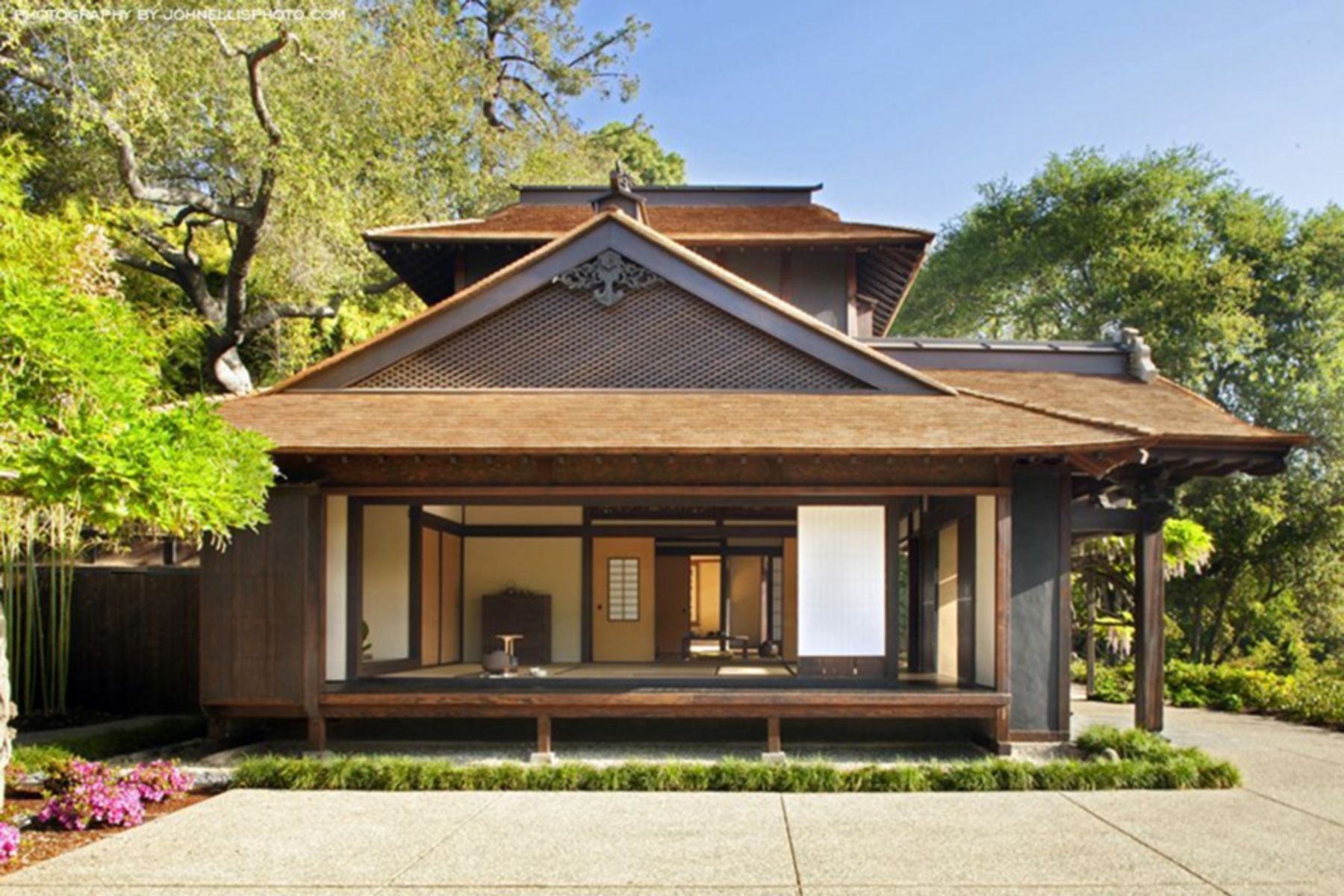
Japanese culture has evolved greatly over the years, from the country's original Jōmon culture to its contemporary culture, which combines influences from Asia, Europe and North America. Traditional Japanese arts include crafts (ikebana, origami, ukiyo-e, dolls, lacquerware, pottery), performances (bunraku, dance, kabuki, noh, rakugo), traditions (games, tea ceremony, Budō, architecture, gardens, swords) and cuisine. The fusion of traditional woodblock printing and Western art led to the creation of manga, a typically Japanese comic book format that is now popular within and outside Japan.141 Manga-influenced animation for television and film is called anime. Japanese-made video game consoles have prospered since the 1980s.142

The number of Shinto shrines in Japan is estimated to be around 100,000

Japanese music is eclectic, having borrowed instruments, scales and styles from neighboring cultures. Many instruments, such as the koto, were introduced in the ninth and tenth centuries. The accompanied recitative of the Noh drama dates from the fourteenth century and the popular folk music, with the guitar-like shamisen, from the sixteenth.143 Western classical music, introduced in the late nineteenth century, now forms an integral part of the culture. Post-war Japan has been heavily influenced by American and European modern music, which has led to the evolution of popular band music called J-pop.144

Karaoke is the most widely practiced cultural activity. A November 1993 survey by the Cultural Affairs Agency found that more Japanese had sung karaoke that year than had participated in traditional cultural pursuits such as flower arranging or tea ceremonies.145

The earliest works of Japanese literature include two history books the Kojiki and the Nihon Shoki and the eighth century poetry book Man'yōshū, all written in Chinese characters.146 In the early days of the Heian period, the system of transcription known as kana (Hiragana and Katakana) was created as phonograms. The Tale of the Bamboo Cutter is considered the oldest Japanese narrative.147 An account of Heian court life is given by The Pillow Book written by Sei Shōnagon, while The Tale of Genji by Lady Murasaki is often described as the world's first novel.

During the Edo period, literature became not so much the field of the samurai aristocracy as that of the chōnin, the ordinary people. Yomihon, for example, became popular and reveals this profound change in the readership and authorship.147 The Meiji era saw the decline of traditional literary forms, during which Japanese literature integrated Western influences. Natsume Sōseki and Mori Ōgai were the first "modern" novelists of Japan, followed by Ryūnosuke Akutagawa, Jun'ichirō Tanizaki, Yasunari Kawabata, Yukio Mishima and, more recently, Haruki Murakami. Japan has two Nobel Prize-winning authors—Yasunari Kawabata (1968) and Kenzaburo Oe (1994).147

The Great Wave off Kanagawa (1832), an ukiyo-e from Thirty-Six Views of Mount Fuji by Hokusai.

Geisha performing in traditional kimono.

A Japanese garden created in a traditional style.

Kaiseki cuisine

Sports Main article: Sport in Japan A sumo tournament at the Grand Tournament in Osaka.

Traditionally, sumo is considered Japan's national sport148 and it is a popular spectator sport in Japan. Martial arts such as judo, karate and modern kendō are also widely practiced and enjoyed by spectators in the country. After the Meiji Restoration, many Western sports were introduced in Japan and began to spread through the education system.149

The professional baseball league in Japan was established in 1936.150 Today baseball is the most popular spectator sport in the country. One of the most famous Japanese baseball players is Ichiro Suzuki, who, having won Japan's Most Valuable Player award in 1994, 1995 and 1996, now plays for the Seattle Mariners of North American Major League Baseball. Prior to that, Sadaharu Oh was well-known outside Japan, having hit more home runs during his career in Japan than his contemporary, Hank Aaron, did in the United States.

Since the establishment of the Japan Professional Football League in 1992, association football (soccer) has also gained a wide following.151 Japan was a venue of the Intercontinental Cup from 1981 to 2004 and co-hosted the 2002 FIFA World Cup with South Korea. Japan is one of the most successful soccer teams in Asia, winning the Asian Cup three times.

Golf is also popular in Japan,152 as are forms of auto racing, such as the Super GT sports car series and Formula Nippon formula racing.153 Twin Ring Motegi was completed in 1997 by Honda in order to bring IndyCar racing to Japan.

Japan hosted the Summer Olympics in Tokyo in 1964. Japan has hosted the Winter Olympics twice, in Nagano in 1998 and Sapporo in 1972.

See also Japan portal Main article: Outline of Japan Index of Japan-related articles References ^ "法制執務コラム集「法律と国語・日本語」". Legislative Bureau of the House of Councillors. http://houseikyoku.sangiin.go.jp/column/column068.htm. Retrieved 2009-01-19.  ^ CIA Factbook: Japan ^ According to legend, Japan was founded on this date by the Emperor Jimmu, first emperor of Japan; it is seen as largely symbolic. ^ "JAPAN STATISTICAL YEARBOOK 2010". Statistics Bureau, Ministry of Internal Affairs and Communications Japan. as of October 1, 2008. p. 17. http://www.stat.go.jp/data/nenkan/pdf/yhyou01.pdf.  ^ Official Japan Statistics Bureau estimate ^ a b c d "Japan". International Monetary Fund. http://www.imf.org/external/pubs/ft/weo/2009/02/weodata/weorept.aspx?sy=2006&ey=2009&scsm=1&ssd=1&sort=country&ds=.&br=1&c=158&s=NGDPD%2CNGDPDPC%2CPPPGDP%2CPPPPC%2CLP&grp=0&a=&pr.x=55&pr.y=16. Retrieved 2009-10-01.  ^ CIA World Factbook[Gini rankings] ^ Human Development Report 2009. The United Nations. Retrieved 5 October 2009. ^ "Facts and Figures of Japan 2007 01: Land". Foreign Press Center Japan. http://fpcj.jp/old/e/mres/publication/ff/pdf_07/01_land.pdf. Retrieved 2009-07-04.  ^ a b c "World Factbook; Japan". CIA. 2007-03-15. https://www.cia.gov/library/publications/the-world-factbook/geos/ja.html. Retrieved 2007-03-27.  ^ WHO: Life expectancy in Israel among highest in the world Haaretz, May, 2009 ^ United Nations World Population Propsects: 2006 revision – Table A.17 for 2005–2010 ^ Joan, R. Piggott (1997). The emergence of Japanese kingship. Stanford University Press. pp. 143–144. ISBN 0-804-72832-1. http://books.google.com/books?id=BruaJSZmjHcC&pg=PA143&dq=nihon+wa+wagoku#v=onepage&q=nihon%20wa%20wagoku&f=false.  ^ Luīs Fróis, "Of the Ilande of Giapan" (February 19, 1565), published in Richard Willes, "The History of Travayle in the West and East Indies" (London 1577), cited in "Travel Narratives from the Age of Discovery", by Peter C. Mancall, pp. 156–57. ^ University of Pittsburgh, Jomon Genes - Using DNA, researchers probe the genetic origins of modern Japanese by John Travis ^ National Science Museum of Japan "Road of rice plant" [1] "The research of DNA of the rice plant has proven wet-rice cultivation of Japan was introduced directly from Yangtze River Delta." ^ The Metropolitan Museum of Art [2] "Although the roots of Sueki reach back to ancient China, its direct precursor is the grayware of the Three Kingdoms period in Korea." ^ National Museum of Japanese History [3] "弥生時代には種々の鉄製工具が使われ出したが、いずれも日本で作られた鉄ではなく、大陸から持ち込まれた物と見られている。" (Ironware was introduced to by China in Yayoi Period. ) ^ Metropolitan Museum of Art [4] "Metallurgy was also introduced from the Asian mainland during this time. Bronze and iron were used to make weapons, armor, tools, and ritual implements such as bells (dotaku)" ^ Delmer M. Brown (ed.), ed (1993). The Cambridge History of Japan. Cambridge University Press. pp. 140–149.  ^ William Gerald Beasley (1999). The Japanese Experience: A Short History of Japan. University of California Press. p. 42. ISBN 0520225600. http://books.google.com/books?visbn=0520225600&id=9AivK7yMICgC&pg=PA42&lpg=PA42&dq=Soga+Buddhism+intitle:History+intitle:of+intitle:Japan&sig=V65JQ4OzTFCopEoFVb8DWh5BD4Q#PPA42,M1. Retrieved 2007-03-27.  ^ Conrad Totman (2002). A History of Japan. Blackwell. pp. 64–79. ISBN 978-1405123594.  ^ Conrad Totman (2002). A History of Japan. Blackwell. pp. 79–87. ISBN 978-1405123594.  ^ Conrad Totman (2002). A History of Japan. Blackwell. pp. 122–123. ISBN 978-1405123594.  ^ George Sansom (1961). A History of Japan: 1334–1615. Stanford. p. 42. ISBN 0-8047-0525-9.  ^ George Sansom (1961). A History of Japan: 1334–1615. Stanford. p. 217. ISBN 0-8047-0525-9.  ^ Stephen Turnbull (2002). Samurai Invasion: Japan's Korean War. Cassel. p. 227. ISBN 978-0304359486.  ^ "Tokugawa Japan: An Introductory Essay". Marcia Yonemoto, University of Colorado at Boulder. ^ Hooker, Richard (1999-07-14). "Japan Glossary; Kokugaku". Washington State University. http://www.wsu.edu/~dee/GLOSSARY/KOKUGAKU.HTM. Retrieved 2006-12-28.  ^ "Local agrarian societies in colonial India: Japanese perspectives.". Kaoru Sugihara, Peter Robb, Haruka Yanagisawa (1996). p 312. ^ Jesse Arnold. "Japan: The Making of a World Superpower (Imperial Japan)". vt.edu/users/jearnol2. http://filebox.vt.edu/users/jearnol2/MeijiRestoration/imperial_japan.htm. Retrieved 2007-03-27.  ^ "戦間期台湾地方選挙に関する考察". 古市利雄. 台湾研究フォーラム 【台湾研究論壇】. http://www.nittaikyo-ei.join-us.jp/koichi.html. Retrieved 2009-10-02.  ^ Kelley L. Ross. "The Pearl Harbor Strike Force". friesian.com. http://www.friesian.com/pearl.htm. Retrieved 2007-03-27.  ^ Roland H. Worth, Jr. (1995). No Choice But War: the United States Embargo Against Japan and the Eruption of War in the Pacific. McFarland. ISBN 0-7864-0141-9.  ^ "インドネシア独立運動と日本とスカルノ(2)". 馬 樹禮. 産経新聞社. 2005-04. http://www.sankei.co.jp/seiron/koukoku/2005/0504/ronbun3-2.html. Retrieved 2009-10-02.  ^ "THE KINGDOM OF THE NETHERLANDS DECLARES WAR WITH JAPAN". ibiblio. http://www.ibiblio.org/pha/policy/1941/411208c.html. Retrieved 2009-10-02.  ^ "Japanese Instrument of Surrender". educationworld.net. http://library.educationworld.net/txt15/surrend1.html. Retrieved 2006-12-28.  ^ When Empire Comes Home : Repatriation and Reintegration in Postwar Japan by Lori Watt, Harvard University Press ^ Joseph Coleman (2006-03-06). "'52 coup plot bid to rearm Japan: CIA". The Japan Times. http://search.japantimes.co.jp/cgi-bin/nn20070306f3.html. Retrieved 2007-04-03.  ^ "Japan scraps zero interest rates". BBC News Online. 2006-07-14. http://news.bbc.co.uk/1/hi/business/5178822.stm. Retrieved 2006-12-28.  ^ a b c "The Constitution of Japan". House of Councillors of the National Diet of Japan. 1946-11-03. http://www.sangiin.go.jp/eng/law/index.htm. Retrieved 2007-03-10.  ^ "Prime Minister of Japan and His Cabinet". Office of the Prime Minister of Japan. http://www.kantei.go.jp/foreign/index-e.html. Retrieved 2008-09-23.  ^ a b ""Japanese Civil Code"". Encyclopædia Britannica. 2006. http://www.britannica.com/eb/article-9043364?hook=6804. Retrieved 2006-12-28.  ^ "The Japanese Judicial System". Office of the Prime Minister of Japan. http://www.kantei.go.jp/foreign/judiciary/0620system.html. Retrieved 2007-03-27.  ^ Michael Green. "Japan Is Back: Why Tokyo's New Assertiveness Is Good for Washington". Real Clear Politics. http://www.realclearpolitics.com/articles/2007/03/japan_is_back_why_tokyos_new_a.html. Retrieved 2007-03-28.  ^ "UK backs Japan for UNSC bid". Cenral Chronicle. Archived from the original on 2007-02-21. http://web.archive.org/web/20070221044357/http://www.centralchronicle.com/20070111/1101194.htm. Retrieved 2007-03-28.  ^ Japan-Australia Joint Declaration on Security Cooperation ^ Joint Declaration on Security Cooperation between Japan and India ^ Table: Net Official Development Assistance In 2004 (PDF).PDF (32.9 KB) Organisation for Economic Co-operation and Development (2005-04-11). Retrieved on 2006-12-28. ^ a b "Tokyo says it will bring troops home from Iraq". International Herald Tribune. 2006-06-20. http://www.iht.com/articles/2006/06/20/news/japan.php. Retrieved 2007-03-28.  ^ CIA - The World Factbook - Russia ^ Mabuchi, Masaru (May 2001). "Municipal Amalgamation in Japan (PDF)" (PDF). World Bank. http://siteresources.worldbank.org/WBI/Resources/wbi37175.pdf. Retrieved 2006-12-28.  ^ ""Japan"". "Japan". Microsoft Encarta Online Encyclopedia. 2006. http://encarta.msn.com/encyclopedia_761566679/Japan.html. Retrieved 2006-12-28.  ^ "Japan Information—Page 1". WorldInfoZone.com. http://www.worldinfozone.com/country.php?country=Japan. Retrieved 2006-12-28.  ^ "World Population Prospects". UN Department of Economic and Social Affairs. http://esa.un.org/unpp/. Retrieved 2007-03-27.  ^ "Tectonics and Volcanoes of Japan". Oregon State University. Archived from the original on 2007-02-04. http://web.archive.org/web/20070204064754/http://volcano.und.edu/vwdocs/volc_images/north_asia/japan_tec.html. Retrieved 2007-03-27.  ^ Tokyo-Yokohama earthquake of 1923. Encyclopædia Britannica Online. ^ "Attractions: Hot Springs". JNTO. http://www.jnto.go.jp/eng/arrange/attractions/hotSprings.html. Retrieved 2007-04-01.  ^ a b "Essential Info: Climate". JNTO. http://www.jnto.go.jp/eng/arrange/essential/climate.html. Retrieved 2007-04-01.  ^ "Gifu Prefecture sees highest temperature ever recorded in Japan - 40.9". Japan News Review Society. 2007-08-16. http://www.japannewsreview.com/society/national/20070816page_id=1553. Retrieved 2007-08-16.  ^ "Flora and Fauna: Diversity and regional uniqueness". Embassy of Japan in the USA. Archived from the original on 2007-02-13. http://web.archive.org/web/20070213035135/http://www.us.emb-japan.go.jp/jicc/spotflora.htm. Retrieved 2007-04-01.  ^ 日本の大気汚染の歴史, Environmental Restoration and Conservation Agency ^ Japan' international cooperation for energy efficiency & conservation in Asian region., Takeshi Sekiyama, Energy Conservation Center, 2008 ^ OECD Environmental Performance Review of Japan, Organisation for Economic Co-operation and Development ^ Automaker Rankings 2007: The Environmental Performance of Car Companies, Union of Concerned Scientists, 10/15/07. ^ WBCSD. "World Business Council for Sustainable Development (WBCSD)". WBCSD. http://www.wbcsd.org/plugins/DocSearch/details.asp?type=DocDet&ObjectId=MzAyNzQ. Retrieved 2009-11-30.  ^ 2005 Environmental Sustainability Index Benchmarking National Environmental Stewardship, Yale Center for Environmental Law and Policy, Yale University and Center for International Earth Science Information Network, Columbia University, 2005. ^ "Japan: Patterns of Development". country-data.com. January 1994. http://www.country-data.com/cgi-bin/query/r-7176.html. Retrieved 2006-12-28.  ^ a b c d "World Factbook; Japan—Economy". CIA. 2006-12-19. https://www.cia.gov/library/publications/the-world-factbook/geos/ja.html#Econ. Retrieved 2006-12-28.  ^ Masake, Hisane. A farewell to zero. Asia Times Online (2006-03-02). Retrieved on 2006-12-28. ^ a b "World Economic Outlook Database; country comparisons". IMF. 2006-09-01. http://www.imf.org/external/pubs/ft/weo/2006/02/data/weorept.aspx?sy=2005&ey=2005&scsm=1&ssd=1&sort=country&ds=.&br=1&c=512%2C446%2C914%2C666%2C612%2C668%2C614%2C672%2C311%2C946%2C213%2C137%2C911%2C962%2C193%2C674%2C122%2C676%2C912%2C548%2C313%2C556%2C419%2C678%2C513%2C181%2C316%2C682%2C913%2C684%2C124%2C273%2C339%2C921%2C638%2C948%2C514%2C686%2C218%2C688%2C963%2C518%2C616%2C728%2C223%2C558%2C516%2C138%2C918%2C353%2C748%2C196%2C618%2C278%2C522%2C692%2C622%2C694%2C156%2C142%2C624%2C449%2C626%2C564%2C628%2C283%2C228%2C853%2C924%2C288%2C233%2C293%2C632%2C566%2C636%2C964%2C634%2C182%2C238%2C453%2C662%2C968%2C960%2C922%2C423%2C714%2C935%2C862%2C128%2C716%2C611%2C456%2C321%2C722%2C243%2C965%2C248%2C718%2C469%2C724%2C253%2C576%2C642%2C936%2C643%2C961%2C939%2C813%2C644%2C199%2C819%2C184%2C172%2C524%2C132%2C361%2C646%2C362%2C648%2C364%2C915%2C732%2C134%2C366%2C652%2C734%2C174%2C144%2C328%2C146%2C258%2C463%2C656%2C528%2C654%2C923%2C336%2C738%2C263%2C578%2C268%2C537%2C532%2C742%2C944%2C866%2C176%2C369%2C534%2C744%2C536%2C186%2C429%2C925%2C178%2C746%2C436%2C926%2C136%2C466%2C343%2C112%2C158%2C111%2C439%2C298%2C916%2C927%2C664%2C846%2C826%2C299%2C542%2C582%2C443%2C474%2C917%2C754%2C544%2C698%2C941&s=NGDPD&grp=0&a=&pr1.x=64&pr1.y=9. Retrieved 2007-03-14.  ^ "NationMaster; Economy Statistics". NationMaster. http://www.nationmaster.com/graph/eco_gdp_ppp-economy-gdp-ppp. Retrieved 2007-03-26.  ^ er 6 Manufacturing and Construction, Statistical Handbook of Japan, Ministry of Internal Affairs and Communications ^ "Executive Summary: Population Trends in Japan". Population Resource Center. Archived from the original on 2007-09-27. http://web.archive.org/web/20070927032804/http://www.prcdc.org/summaries/japan/japan.html. Retrieved 2009-05-11.  ^ "Groningen Growth and Development Centre (GGDC)". GGDC. 2009-01-26. http://www.ggdc.net/. Retrieved 2009-11-30.  ^ Japan 500 2007, Financial Times ^ Market data. New York Stock Exchange (2006-01-31). Retrieved on 2007-08-11. ^ "Japan's Economy: Free at last". The Economist. 2006-07-20. http://www.economist.com/displayStory.cfm?story_id=7193984. Retrieved 2007-03-29.  ^ a b OECD: Economic survey of Japan 2008 ^ Activist shareholders swarm in Japan, The Economist ^ "Why Germany's economy will outshine Japan". MoneyWeek. 2007-02-28. http://www.moneyweek.com/file/26181/why-germanys-economy-will-outshine-japan.html. Retrieved 2007-03-28.  ^ The Economist: Going hybrid ^ Japan, Index of Economic Freedom ^ Blustein, Paul. "China Passes U.S. In Trade With Japan: 2004 Figures Show Asian Giant's Muscle". The Washington Post (2005-01-27). Retrieved on 2006-12-28. ^ Foreign investment in Japan soar. BBC. 29th June, 2005 ^ Has Japanese agricultural protection had its day? Policies for the new millennium. Rural Industries Research & Development Corporation. ^ Chapter 7 Energy, Statistical Handbook of Japan 2007 ^ "Japan taps into ocean winds for power". ABC News. 2008-01-21. http://www.abc.net.au/news/stories/2008/01/21/2142636.htm. Retrieved 2009-0%-11.  ^ Japan's Road to Deep Deficit Is Paved With Public Works, New York Times in 1997 ^ Chapter 9 Transport, Statistical Handbook of Japan ^ "Transport in Japan". International Transport Statistics Database. iRAP. http://www.iraptranstats.net/jp. Retrieved 2009-02-17.  ^ "Corporate Culture as Strong Diving Force for Punctuality- Another "Just in Time"". Hitachi-Rail.com. http://www.hitachi-rail.com/rail_now/column/just_in_time/index.html. Retrieved 2009-04-19.  ^ McDonald, Joe. "China to spend $136 billion on R&D." BusinessWeek (2006-12-04). ^ "Japanese Nobel Laureates". Kyoto University. 2009. http://www.kyoto-u.ac.jp/en/profile/intro/honor/nobel.htm/. Retrieved 2009-11-07.  ^ "Japanese Fields Medalists". Kyoto University. 2009. http://www.kyoto-u.ac.jp/en/profile/intro/honor/fields.htm. Retrieved 2009-11-07.  ^ "Dr. Kiyoshi Ito receives Gauss Prize". Kyoto University. 2009. http://www.kyoto-u.ac.jp/en/profile/intro/honor/gauss.htm. Retrieved 2009-11-07.  ^ The Boom in Robot Investment Continues—900,000 Industrial Robots by 2003. and United Nations Economic Commission for Europe, Press release 2000-10-17. Retrieved on 2006-12-28. ^ "World Motor Vehicle Production by Country" (PDF). oica.net. 2006. Archived from the original on 2007-08-07. http://web.archive.org/web/20070807213925/http://www.oica.net/htdocs/statistics/tableaux2006/worldprod_country-2.pdf. Retrieved 2007-07-30.  ^ "Japan Aerospace Exploration Agency Homepage". Japan Aerospace Exploration Agency. 2006-08-03. http://www.jaxa.jp/index_e.html. Retrieved 2007-03-28.  ^ JAXA, Venus Climate Orbiter "PLANET-C" ^ ISAS, Venus Meteorology PLANET-C ^ JAXA, Mercury Exploration Mission "BepiColombo" ^ ISAS, Mercury Exploration MMO (BepiColombo) ^ "Japan Plans Moon Base by 2030". MoonDaily. 2006-08-03. http://www.moondaily.com/reports/Japan_Plans_Moon_Base_By_2030_999.html. Retrieved 2007-03-27.  ^ ""KAGUYA" selected as SELENE's nickname". http://www.jaxa.jp/countdown/f13/special/nickname_e.html. Retrieved 2007-10-13.  ^ Japancorp.net, Japan Successfully Launches Lunar Explorer "Kaguya" ^ BBC NEWS, Japan launches first lunar probe ^ JAXA, KAGUYA (SELENE) Image Taking of "Full Earth-Rise" by HDTV ^ a b "World Factbook; Japan—People". CIA. June 2008. https://www.cia.gov/library/publications/the-world-factbook/geos/ja.html#People. Retrieved 2008-05-18.  ^ "'Multicultural Japan' remains a pipe dream". Japan Times. March 27, 2007. ^ "Japan-born Koreans live in limbo". The New York Times. April 2, 2005. ^ "An Enclave of Brazilians Is Testing Insular Japan". The New York Times. November 1, 2008. ^ 'Home' is where the heartbreak is for Japanese-Peruvians. Asia Times. October 16, 1999. ^ Registered Foreigners in Japan by Nationality. Stat.go.jp. ^ Fogarty, Philippa (2008-06-06). "Recognition at last for Japan's Ainu". BBC News (BBC). http://news.bbc.co.uk/2/hi/asia-pacific/7437244.stm. Retrieved 2008-06-07.  ^ The Invisible Race. Time. January 8, 1973. ^ "The World Factbook: Rank order—Life expectancy at birth". CIA. 2006-12-19. https://www.cia.gov/library/publications/the-world-factbook/rankorder/2102rank.html. Retrieved 2006-12-28.  ^ a b "Statistical Handbook of Japan: Chapter 2—Population". Japan Ministry of Internal Affairs and Communications. http://www.stat.go.jp/English/data/handbook/c02cont.htm. Retrieved 2006-12-28.  ^ a b Ogawa, Naohiro."Demographic Trends and Their Implications for Japan's Future" The Ministry of Foreign Affairs of Japan. Transcript of speech delivered on (7 March 1997). Retrieved on 14 May 2006. ^ Hidenori Sakanaka (2005-10-05). "Japan Immigration Policy Institute: Director's message". Japan Immigration Policy Institute. http://jipi.gr.jp/english/message.html. Retrieved 2007-01-05.  ^ French, Howard."Insular Japan Needs, but Resists, Immigration". "The New York Times" (2003-07-24). Retrieved on 2007-02-21. ^ Strom, Stephanie (15 July 1999). "In Japan, Mired in Recession, Suicides Soar". Health (The New York Times). http://query.nytimes.com/gst/fullpage.html?res=9F00E1DB173FF936A25754C0A96F958260&sec=health&spon=&scp=29&sq=suicide%20japan&st=cse. Retrieved 2008-09-20.  ^ Lewis, Leo (19 June 2008). "Japan gripped by suicide epidemic". The Times (London). http://www.timesonline.co.uk/tol/news/world/asia/article4170649.ece. Retrieved 2008-09-20.  ^ "Suicides in Japan top 30,000 for 12th straight year, may surpass 2008 numbers". The Mainichi Daily News. Dec. 26, 2009. http://mdn.mainichi.jp/mdnnews/news/20091226p2a00m0na008000c.html.  ^ Ozawa-de Silva, Chikako (December 2008), "Too Lonely to Die Alone: Internet Suicide Pacts and Existential Suffering in Japan", Cult Med Psychiatry 32 (4): 516–551, doi:10.1007/s11013-008-9108-0  p. 519 ^ Bureau of Democracy, Human Rights, and Labor (2006-09-15). "International Religious Freedom Report 2006". U.S. Department of State. http://www.state.gov/g/drl/rls/irf/2006/71342.htm. Retrieved 2007-12-04.  ^ a b Kisala, Robert (2005). Robert Wargo. ed. The Logic Of Nothingness: A Study of Nishida Kitarō. University of Hawaii Press. pp. 3–4. ISBN 0824822846.  ^ Religious Juridical Persons and Administration of Religious Affairs, Agency for Cultural Affairs Retrieved August 25, 2008 ^ Shinsen-kokugojiten (新選国語辞典), Kyōsuke Kindaichi, Shogakukan, 2001, ISBN 4095014075 ^ 言語学大辞典セレクション:日本列島の言語 (Selection from the Encyclopædia of Linguistics: The Languages of the Japanese Archipelago). "琉球列島の言語" (The Languages of the Ryukyu Islands). 三省堂 1997 ^ "15 families keep ancient language alive in Japan". UN. Archived from the original on 2008-01-06. http://web.archive.org/web/20080106062419/http://www.un.org/works/culture/japan_story.html. Retrieved 2007-03-27.  ^ Lucien Ellington (2005-09-01). "Japan Digest: Japanese Education". Indiana University. Archived from the original on 2006-04-27. http://web.archive.org/web/20060427225148/http://www.indiana.edu/~japan/digest5.html. Retrieved 2006-04-27.  ^ Lucien Ellington (2003-12-01). "Beyond the Rhetoric: Essential Questions About Japanese Education". Foreign Policy Research Institute. http://www.fpri.org/footnotes/087.200312.ellington.japaneseeducation.html. Retrieved 2007-04-01.  ^ "School Education" (PDF). MEXT. http://www.mext.go.jp/english/statist/05101901/005.pdf. Retrieved 2007-03-10.  ^ Kate Rossmanith (2007-02-05). "Rethinking Japanese education". The University of Sydney. http://www.usyd.edu.au/news/international/226.html?newsstoryid=1568. Retrieved 2007-04-01.  ^ "TOP - 100 (Global universities ranking)". Global Universities Ranking. 2009. http://www.globaluniversitiesranking.org/index.php?option=com_content&view=article&id=94&Itemid=131.  ^ "THE - QS World University Rankings 2009 - top universities". QS TopUniversities. 2009. http://www.topuniversities.com/university-rankings/world-university-rankings/2009/results.  ^ OECD’s PISA survey shows some countries making significant gains in learning outcomes, OECD, 04/12/2007. Range of rank on the PISA 2006 science scale ^ Victor Rodwin. "Health Care in Japan". New York University. http://www.nyu.edu/projects/rodwin/lessons.html. Retrieved 2007-03-10.  ^ "Health Insurance: General Characteristics". National Institute of Population and Social Security Research. http://www.ipss.go.jp/s-info/e/Jasos/Health.html. Retrieved 2007-03-28.  ^ "A History of Manga". NMP International. http://www.dnp.co.jp/museum/nmp/nmp_i/articles/manga/manga1.html. Retrieved 2007-03-27.  ^ Leonard Herman, Jer Horwitz, Steve Kent, and Skyler Miller. "The History of Video Games". Gamespot. http://uk.gamespot.com/gamespot/features/video/hov/index.html. Retrieved 2007-04-01.  ^ Japanese Culture, The Concise Columbia Encyclopedia, 1983 edition, © Columbia University Press ISBN 0-380-63396-5 ^ "J-Pop History". The Observer. http://observer.guardian.co.uk/omm/story/0,,1550807,00.html. Retrieved 2007-04-01.  ^ Kelly, Bill. (1998). "Japan's Empty Orchestras: Echoes of Japanese culture in the performance of karaoke", The Worlds of Japanese Popular Culture: Gender, Shifting Boundaries and Global Cultures, p. 76. Cambridge University Press. ^ "Asian Studies Conference, Japan (2000)". Meiji Gakuin University. http://www.meijigakuin.ac.jp/~ascj/2000/200015.htm. Retrieved 2007-04-01.  ^ a b c "Windows on Asia—Literature : Antiquity to Middle Ages: Recent Past". Michigan State University, Office of International Studies and Programs. Archived from the original on 2007-10-11. http://web.archive.org/web/20071011065654/http://isp.msu.edu/AsianStudies/wbwoa/eastasia/Japan/literature.html. Retrieved 2006-12-28.  ^ "Sumo: East and West". PBS. http://www.pbs.org/independentlens/sumoeastandwest/sumo.html. Retrieved 2007-03-10.  ^ "Culture and Daily Life". Embassy of Japan in the UK. Archived from the original on 2007-03-17. http://web.archive.org/web/20070317192109/http://www.uk.emb-japan.go.jp/en/facts/culture_dailylife.html#sports. Retrieved 2007-03-27.  ^ Nagata, Yoichi and Holway, John B. (1995). "Japanese Baseball". in Pete Palmer. Total Baseball (fourth ed.). New York: Viking Press. p. 547.  ^ "Soccer as a Popular Sport: Putting Down Roots in Japan" (PDF). The Japan Forum. http://www.tjf.or.jp/takarabako/PDF/TB09_JCN.pdf. Retrieved 2007-04-01.  ^ Fred Varcoe. "Japanese Golf Gets Friendly". Metropolis. http://metropolis.co.jp/tokyo/604/sports.asp. Retrieved 2007-04-01.  ^ Len Clarke. "Japanese Omnibus: Sports". Metropolis. http://metropolis.co.jp/tokyo/623/sports.asp. Retrieved 2007-04-01.  Further reading Christopher, Robert C., The Japanese Mind: the Goliath Explained, Linden Press/Simon and Schuster, 1983 (ISBN 0330284193) De Mente, The Japanese Have a Word For It, McGraw-Hill, 1997 (ISBN 0-8442-8316-9) Flath, The Japanese Economy, Oxford University Press, 2000 (ISBN 0198775032) Free, Early Japanese Railways 1853–1914: Engineering Triumphs That Transformed Meiji-era Japan, Tuttle Publishing, 2008 (ISBN 4805310065) Henshall, A History of Japan, Palgrave Macmillan, 2001 (ISBN 0-312-23370-1) Hood, Shinkansen: From Bullet Train to Symbol of Modern Japan, Routledge, 2006, (ISBN 0415320526) Ikegami, Bonds Of Civility: Aesthetic Networks And The Political Origins Of Japanese Culture, Cambridge University Press, 2005 (ISBN 0521601150) Ito et al., Reviving Japan's Economy: Problems and Prescriptions, MIT Press, 2005 (ISBN 0-262-09040-6) Iwabuchi, Recentering Globalization: Popular Culture and Japanese Transnationalism, Duke University Press, 2002 (ISBN 0822328917) Jansen, The Making of Modern Japan, Belknap, 2000 (ISBN 0-674-00334-9) Johnson, Japan: Who Governs?, W.W. Norton & Company, 1996 (ISBN 0-393-31450-2) Kato et al., A History of Japanese Literature: From the Man'Yoshu to Modern Times, Japan Library, 1997 (ISBN 1873410484) Macwilliams, Japanese Visual Culture: Explorations in the World of Manga and Anime, M.E. Sharpe, 2007 (ISBN 0765616025) McDonald, Reading a Japanese Film: Cinema in Context, University of Hawaii Press, 2005 (ISBN 082482993X) Ono et al., Shinto: The Kami Way, Tuttle Publishing, 2004 (ISBN 0804835578) Pyle, Japan Rising: The Resurgence of Japanese Power and Purpose, Public Affairs, 2007 (ISBN 1586485679) Reischauer, Japan: The Story of a Nation, McGraw-Hill, 1989 (ISBN 0-07-557074-2) Samuels, Securing Japan: Tokyo's Grand Strategy and the Future of East Asia, Cornell University Press, 2008 (ISBN 0801474906) Silverberg, Erotic Grotesque Nonsense: The Mass Culture of Japanese Modern Times, University of California Press, 2007 (ISBN 0520222733) Shinoda, Koizumi Diplomacy: Japan’s Kantei Approach to Foreign and Defense Affairs, University of Washington Press, 2007 (ISBN 0295986999) Stevens, Japanese Popular Music: Culture, Authenticity and Power, Routledge, 2007 (ISBN 041538057X) Sugimoto et al., An Introduction to Japanese Society, Cambridge University Press, 2003 (ISBN 0-521-52925-5) Van Wolferen, The Enigma of Japanese Power, Vintage, 1990 (ISBN 0-679-72802-3) Varley, Japanese Culture, University of Hawaii Press, 2000 (ISBN 0824821521) External links

Find more about Japan on Wikipedia's sister projects:

Definitions from Wiktionary Textbooks from Wikibooks Quotations from Wikiquote Source texts from Wikisource Images and media from Commons News stories from Wikinews Learning resources from Wikiversity All links are to sites in English unless otherwise specified. Government Kantei.go.jp, official prime ministerial and cabinet site Kunaicho.go.jp, official site of the Imperial family. Ministry of Foreign Affairs, papers on Japan's foreign policy, education programs, culture and life. National Diet Library Shugi-in.go.jp, official site of the House of Representatives Chief of State and Cabinet Members News media Asahi Shimbun Kyodo News NHK Online The Japan Times Yomiuri Shimbun (English) Tourism Japan National Tourist Organization Japan travel guide from Wikitravel General information Japan entry at The World Factbook Japan from UCB Libraries GovPubs Japan at the Open Directory Project Japan from Encyclopaedia Britannica Special Report: Japan from The Guardian Wikimedia Atlas of Japan Energy Profile for Japan from the U.S. Energy Information Administration Works by Government of Japan at Project Gutenberg containing the 1889 and 1946 Constitutions   Articles Related to Japan v • d • e Japan topics Basic topics · Alphabetical index of topics History Paleolithic · Jōmon · Yayoi · Kofun · Nara · Heian · Kamakura · Muromachi · Azuchi–Momoyama · Edo · Meiji · Taishō · Shōwa · Heisei · Economic history · Military history (Imperial Army · Imperial Navy · Naval history) Government and politics Emperor (list) · Prime Minister (list) · Cabinet · Ministries · Diet · House of Councillors · House of Representatives · Elections · Political parties · Judiciary · Fiscal policy · Foreign policy · Foreign relations · Human rights (LGBT rights) · Self-Defense Force (Air · Ground · Maritime) Geography Environment · Regions · Prefectures · Cities · Districts · Towns · Villages · Addresses · Islands · Lakes · Rivers · Extreme points Economy Primary sector · Manufacturing · Labor · Communications · Transport · Currency · Central bank · Solar power · International rankings Culture Anime / Manga · Architecture · Art · Bonsai · Cinema · Cuisine · Festivals · Gardens · Geisha · Games · Ikebana · Literature · Martial arts · Music · Onsen / Sentō · Tea ceremony · Television · Theatre Society Aesthetics · Demographics · Crime · Education · Etiquette · Housing · Language · Law · Mythology · Names · Religion · Sport Portal   Geographic locale v • d • e Regions and administrative divisions of  Japan Regions Hokkaidō · Tōhoku · Kantō · Chūbu (Hokuriku · Kōshin'etsu · Shin'etsu · Tōkai) · Kansai · Chūgoku (San'in • San'yō) · Shikoku · Kyūshū (Ryūkyū  · Northern Kyushu) Prefectures Hokkaidō Hokkaidō Tōhoku Akita · Aomori · Fukushima · Iwate · Miyagi · Yamagata Kantō Chiba · Gunma · Ibaraki · Kanagawa · Saitama · Tochigi · Tokyo Chūbu Aichi · Fukui · Gifu · Ishikawa · Nagano · Niigata · Shizuoka · Toyama · Yamanashi Kansai Hyōgo · Kyoto · Mie · Nara · Osaka · Shiga · Wakayama Chūgoku Hiroshima · Okayama · Shimane · Tottori · Yamaguchi Shikoku Ehime · Kagawa · Kōchi · Tokushima Kyūshū Kyūshū (Mainland): Fukuoka · Kagoshima · Kumamoto · Miyazaki · Nagasaki · Ōita · Saga Ryūkyū Islands: Okinawa v • d • e Countries and territories of East Asia

People's Republic of China (S.A.R: Hong Kong · Macau) · Japan · Mongolia · South Korea · North Korea · Republic of China (Taiwan)

Sometimes included: Vietnam · Russian Far East v • d • e Countries and territories of Oceania Sovereign states Australia · Fiji · Indonesia1 · Kiribati · Federated States of Micronesia · Marshall Islands · Nauru · New Zealand · Palau · Papua New Guinea · Samoa · Solomon Islands · Tonga · Tuvalu · Vanuatu Dependencies and other territories Australia Christmas Island · Cocos (Keeling) Islands · Norfolk Island France French Polynesia · New Caledonia · Wallis and Futuna New Zealand Cook Islands · Niue · Tokelau United Kingdom Pitcairn Islands United States American Samoa · Guam · Hawaii · Northern Mariana Islands · U.S. Minor Islands Chile Easter Island Fiji Rotuma 1 Transcontinental country   International membership v • d • e Members of the United Nations Security Council Permanent members China · France · Russia · United Kingdom · United States Term ends December 31, 2010 Austria · Japan · Mexico · Turkey · Uganda Term ends December 31, 2011 Bosnia and Herzegovina · Brazil · Gabon · Lebanon · Nigeria v • d • e Major non-NATO allies of the United States  Argentina ·  Australia ·  Bahrain ·  Egypt ·  Japan ·  Jordan ·  Kuwait ·  Morocco ·  New Zealand ·  Philippines ·  South Korea ·  Thailand Map showing the Major non-NATO allies v • d • e East Asia Summit (EAS) First · Second · Third · Fourth · Fifth    
Yahoo! Japan
Yahoo! Japan features local news, finance, sports, entertainment, and community forums for the Japanese community.
www.yahoo.co.jp

 Australia  Brunei  PR China  Cambodia

Bullying Flap Shakes Japan’s Royals
The bullying of the 8-year-old daughter of Princess Masako has put the princess’s history of depression into the glare of Japan’s tabloid press.

 India  Indonesia  Japan  Laos


 Malaysia  Myanmar  New Zealand  Philippines


Japan husband-hunting school opens

 Singapore  South Korea  Thailand  Vietnam

Potential future members       Timor-Leste    Papua New Guinea    Russia v • d • e Group of Eight (G8) Members Canada · France · Germany · Italy · Japan · Russia · United Kingdom · United States Representative European Union v • d • e Monarchies List of current monarchs Geography Africa · Americas · Asia · Europe · Oceania Absolute Brunei · Saudi Arabia · Swaziland · Vatican City Constitutional Antigua and Barbuda · Australia · Andorra · The Bahamas · Bahrain · Barbados · Belize · Belgium · Bhutan · Cambodia · Canada · Denmark · Grenada · Jamaica · Japan · Jordan · Kuwait · Liechtenstein · Lesotho · Luxembourg · Malaysia · Monaco · Morocco · Netherlands · New Zealand · Norway · Oman1 · Papua New Guinea · Qatar1 · Spain · Saint Kitts and Nevis · Saint Lucia · Saint Vincent and the Grenadines · Solomon Islands · Sweden · Thailand · Tonga · Tuvalu · United Arab Emirates · United Kingdom Elective Andorra · Cambodia · Kuwait · Malaysia · Swaziland · United Arab Emirates · Vatican City Subnational Ghana Ashanti · Dagbon Malaysia Johor · Kedah · Kelantan · Negeri Sembilan · Pahang · Perak · Perlis · Selangor · Terengganu Nigeria Ibadan · Nri · Kano · Sokoto Caliphate · Lagos Uganda Ankole · Buganda · Bunyoro · Busoga · Toro United Arab Emirates Abu Dhabi · Ajman · Dubai · Fujairah · Ras al-Khaimah · Sharjah · Umm al-Quwain Wallis and Futuna Alo · Sigave · Uvea Others Māori (New Zealand) · Yogyakarta (Indonesia) · Zulu Kingdom (South Africa) · Barotseland (Zambia) Italics indicate Commonwealth realms, which each share the same person as head of state. 1 Monarchy is constitutional by law, but remains absolute in practice. v • d • e Immigration to Japan Americas Americans · Brazilians · Peruvians Asia Bangladeshis · Chinese · Filipinos · Indians · Indonesians · Iranians · Koreans · Mongolians · Pakistanis · Thais · Vietnamese Others Jews · Russians · Turks See also Dekasegi · Ethnic issues in Japan · Gaijin · Japanese nationality law · Foreign-born Japanese v • d • e Demographics of Asia Sovereign states

10 boxes New Japan Rapid Weight Loss Diet pills (blue)
Only $53.99

Afghanistan · Armenia1 · Azerbaijan1 · Bahrain · Bangladesh · Bhutan · Brunei · Burma2 · Cambodia · People's Republic of China · Cyprus1 · East Timor3 · Egypt4 · Georgia4 · India · Indonesia · Iran · Iraq · Israel · Japan · Jordan · Kazakhstan4 · North Korea · South Korea · Kuwait · Kyrgyzstan · Laos · Lebanon · Malaysia · Maldives · Mongolia · Nepal · Oman · Pakistan · Philippines · Qatar · Russia4 · Saudi Arabia · Singapore · Sri Lanka · Syria · Tajikistan · Republic of China5 · Thailand · Turkey4 · Turkmenistan · United Arab Emirates · Uzbekistan · Vietnam · Yemen

States with limited recognition

Abkhazia1 · Nagorno-Karabakh · Northern Cyprus · Palestine · South Ossetia1 ·

Dependencies, autonomies, other territories

Whirlwind: The Air War Against Japan, 1942-1945 Simon & Schuster

Aceh · Adjara1 · Akrotiri and Dhekelia · Altai · British Indian Ocean Territory · Buryatia · Christmas Island · Cocos (Keeling) Islands · Guangxi · Hong Kong · Inner Mongolia · Iraqi Kurdistan · Khakassia · Macau · Nakhchivan · Ningxia · Papua · Sakha Republic · Tibet · Tuva · West Papua · Xinjiang ·

1 Sometimes included in Europe, depending on the border definitions.  2 Officially known as Myanmar.  3 Sometimes included in Oceania, and also known as Timor-Leste.  4 Transcontinental country.  5 Commonly known as Taiwan.  v • d • e  National personifications Armenia   Mother Armenia Australia   Boxing kangaroo Brazil   Efígie da República Cambodia   Preah Thaong and Neang Neak Canada   Johnny Canuck Finland   Finnish Maiden (Suomi-neito) France   Jacobin · Marianne Georgia   Kartlis Deda Germany   Deutscher Michel · Germania Greece   Athena, "Greece" of Delacroix Iceland   Lady of the mountain (Fjallkonan) India   Bharat Mata Indonesia   Ibu Pertiwi Ireland   Erin · Ériu · Hibernia · Kathleen Ni Houlihan Israel   Srulik Italy   Italia Turrita Japan   Amaterasu Malaysia   Harimau Malaya · Ibu Pertiwi (East Malaysia) Netherlands   de Nederlandse Maagd` (Netherlands Maiden) Norway   Ola Nordmann Philippines   Juan de la Cruz · Juan_Tamad Poland   Polonia Portugal   Efígie da República · Zé Povinho Russia   Mother Russia · Russian Bear Sweden   Mother Svea Switzerland   Helvetia United Kingdom   Britannia · Lion and Unicorn John Bull (England) · Dame Wales (Wales) · United States   Brother Jonathan · Columbia · Uncle Sam Billy Yank (northern states) Johnny Reb (southern states)

Official Tourism Guide for Japan Travel
Japan National Tourist Organization offers information on transportation, lodging, restaurants, tourist attractions, culture, history, festivals, and ...
www.japantravelinfo.com
Bullying Flap Shakes Japan’s Royals
The bullying of the 8-year-old daughter of Princess Masako has once again put the princess’s history of depression into the harsh glare of Japan’s tabloid press.


Aomori Kuroishi Nakane Momiji Yama Shrine Japan


Bach is coming to Town 01

Japan GLOOMY BEAR Plush Gloves Pair / New / Black
Only $4.9

Whirlwind: The Air War Against Japan, 1942-1945 Tantor Media
Japan - World Factbook
Offers information about the geography, people, government, economy, and military of Japan. Published by the CIA.
cia.gov/library/publications/the-world-factbook/geos/ja.html
Japan’s Bonds Fall, Set for 2nd Weekly Drop, on Rising Stocks
March 12 (Bloomberg) -- Japan’s 10-year bonds fell, heading for a second weekly decline, as Asian stocks joined a rally in global equities, damping demand for the safety of debt.


Dallas Dehlinger and Kylie Fujimoto - Japanese 1B Video Presentation (Sapporo).AVI

Old Japanese electric bass guitar tuners m Japan NR
Only $21.39

Tales of Old Japan (Classic Reprint) Forgotten Books
Japan - Yahoo! Travel
Travel guide to Japan, including hotel reservations, deals, trip plans, tourist attractions, and photo gallery.
travel.yahoo.com/p-travelguide-191501636-japan_vacations-i
Japan Is Increasingly Likely to Sell Yen, Morgan Stanley Says
Japan is increasingly likely to intervene in foreign-exchange markets to stop the yen from rising, according to Morgan Stanley, citing its own model.


Mount Fuji on a clear spring day Taken by Stephen Michael Draper Mount Fuji Fujisan is with 3776 meters Japan s highest mountain It is not surprising that the nearly perfectly shaped volcano has been worshipped as a sacred mountain and experienced big popularity among artists and common people Mount Fuji is a dormant volcano which most recently erupted in 1708 It stands on the border between Yamanashi and Shizuoka Prefectures and can be seen from Tokyo and Yokohama on clear days


BIGBANG - STAND UP TOUR [DVD]

LION Trouble In Angel City CD JAPAN 1989 Doug Aldrich
Only $29.11

The Rough Guide to Japan Fourth Edition (Rough Guide Travel Guides) Rough Guides
japan-guide.com
Guide to contemporary and traditional Japan. Includes information on many subjects, a variety of images and links, and a pen pal forum.
www.japan-guide.com
Japan February Power Output Up 7.4% On Year -Utility Federation


These are just some of my favorite photos taken during my trip to Japan during the autumn season of 2007 The full set of photos are found <a href= http www flickr com photos amy huimei98 sets 72157603056353683 >here< a> I enjoyed myself to the max I love Japan 挑了幾張去年秋季瘋行日本時拍的最喜歡的照片 其餘的在<a href= http www flickr com photos amy huimei98 sets 72157603056353683 >這兒< a> 真的 去了趟日本後 才知道 去一趟是不夠的 哈哈 我愛日本 Created with <a href= http bighugelabs com flickr >fd s Flickr Toys< a>


Golden Temple - Kyoto Japan

CD Japan 3" NEW Buck Tick Japanese Import
Only $2.99

Japan (Eyewitness Travel Guides) DK Travel
Japan - Lonely Planet
For example, many people believe that Japan is one of the world's most expensive countries. ... Others think that Japan is impenetrable or even downright difficult. ...
www.lonelyplanet.com/japan
Japan’s Bonds Set for Second Weekly Drop on Advancing Stocks
March 12 (Bloomberg) -- Japan’s 10-year bonds fell, heading for a second weekly drop, as rising stocks reduced demand for the refuge of government debt.


h481 Kurosaki Kyoukai 黒崎教会 リメイク版 HD

Japan Clogs Magic Weight Loss Slimming Slippers HE9
Only $0.99

Japan: An Attempt at Interpretation (Dodo Press) Dodo Press
The Japan Times
Japanese newspaper. Provides national and business news, lifestyle features, Sumo coverage, classified ads, and festivals around Tokyo.
www.japantimes.co.jp
Japan’s Nikkei 225 Rises on BOJ Speculation, Yen; Nissan Gains
March 12 (Bloomberg) -- Japan’s Nikkei 225 Stock Average gained, set for its biggest weekly advance in three months, as the yen weakened on speculation the central bank will loosen monetary policies.


日本 上高地 Kamikochi Japan


2009 All Japan Grand Champion on Vimeo.mp4

Vtg Tin Friction Car Japan Antique Toy Rubber Wheels
Only $9.99

Frommer's Japan (Frommer's Complete) Frommers
Japan - U.S. Department of State
Find facts about the land, people, history, government, and economy of Japan.
www.state.gov/r/pa/ei/bgn/4142.htm
Japan, Australia Bond Risk Falls, Credit-Default Prices Show
March 12 (Bloomberg) -- The cost of protecting corporate bonds from non-payment fell in Australia and Japan, according to traders of credit-default swaps.


Oregon Scientific Platinum Beauty Roller 鉑金美膚按摩棒

Quality Japan Stylish Funky Skulls Cardigan Outerwear
Only $16.99

Japanese Fairy World, Stories From the Wonder-Lore of Japan General Books LLC
Japan Guide -- National Geographic
A guide to Japan with articles, photos, facts, videos, and news from National Geographic.
travel.nationalgeographic.com/travel/countries/japan-guide
Japan Finance Minister: Can't Say Japan Recovery Sustainable Yet


GAMES JAPAN Japan Population


Miu Asari Left Alone Vid2.wmv

FORUM Oct 1894 Japan China War + Contented Masses
Only $7.99

Hell to Pay: Operation DOWNFALL and the Invasion of Japan, 1945-1947 Naval Institute Press
Japan’s Bonds Set for Second Weekly Drop on Advancing Stocks
March 12 (Bloomberg) -- Japan’s 10-year government bonds may fall, heading for a second weekly drop, on speculation local stocks will advance after the Standard & Poor’s 500 Index reached the highest level since October 2008.


Click to enlarge


the real history of china and japan.flv

CD Japan 3" NEW Twilight Kids Import Japanese
Only $2.99
Copyright 2008 by nexthomegeneration.com | Contact info@nexthomegeneration.com about Japan